Diamond Anatomy Guide
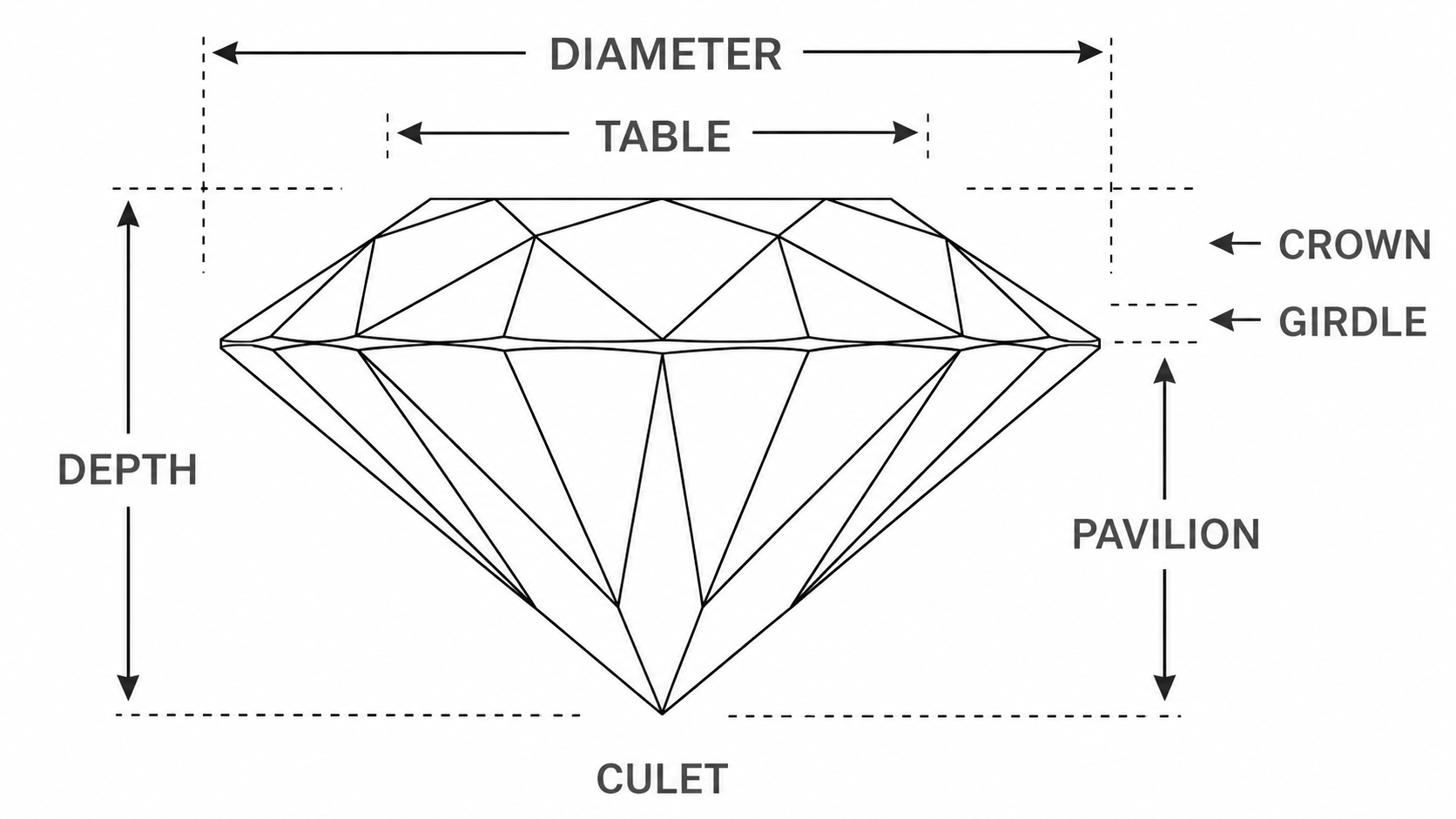
A diamond's anatomy — its basic structure — determines its proportions, brilliance, dispersion, and scintillation. Each part contributes to the diamond as a whole.
The Table
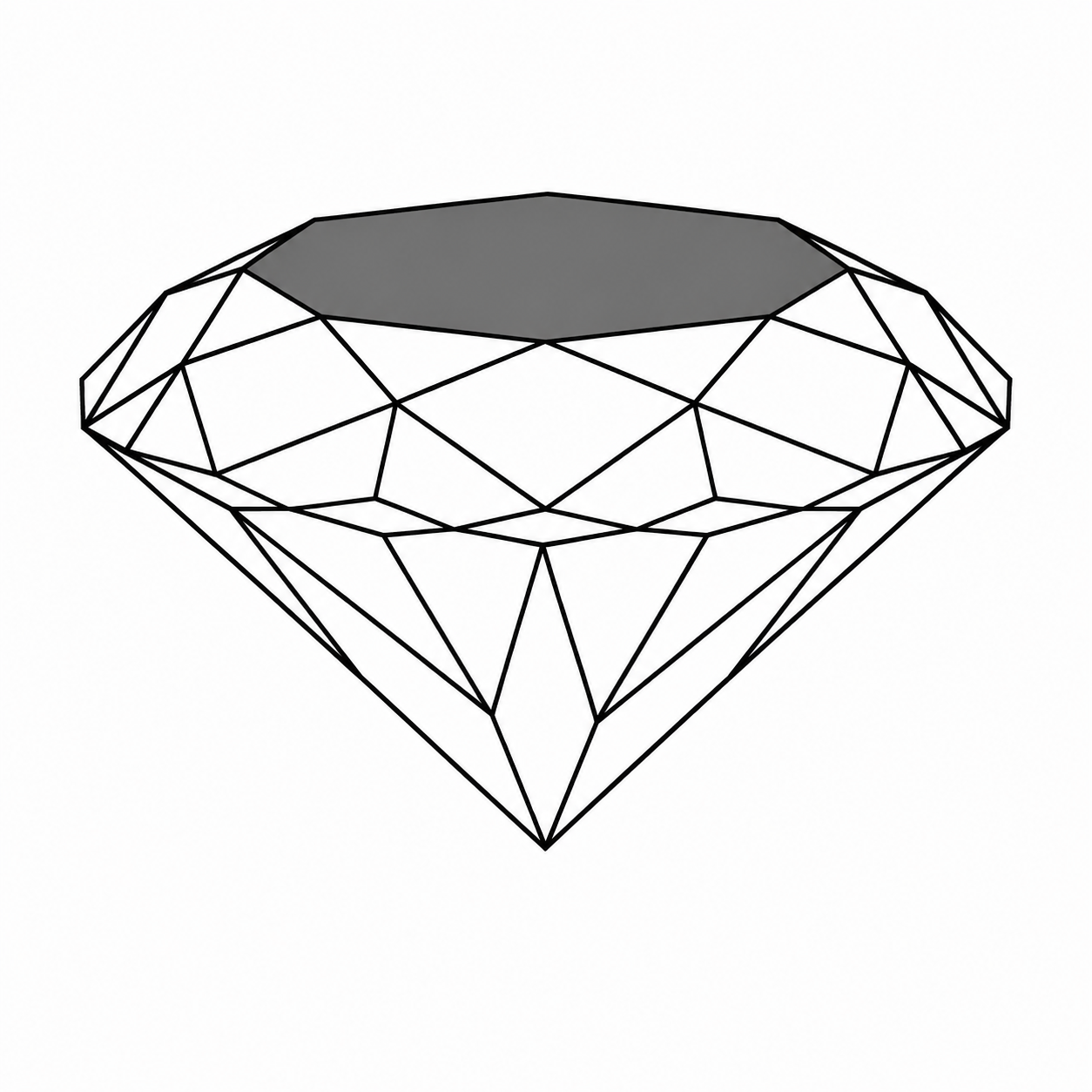
The Table is the largest facet, located on the very top and centre of the diamond. It's very important because it's the main place where light enters and exits the diamond.
The Crown
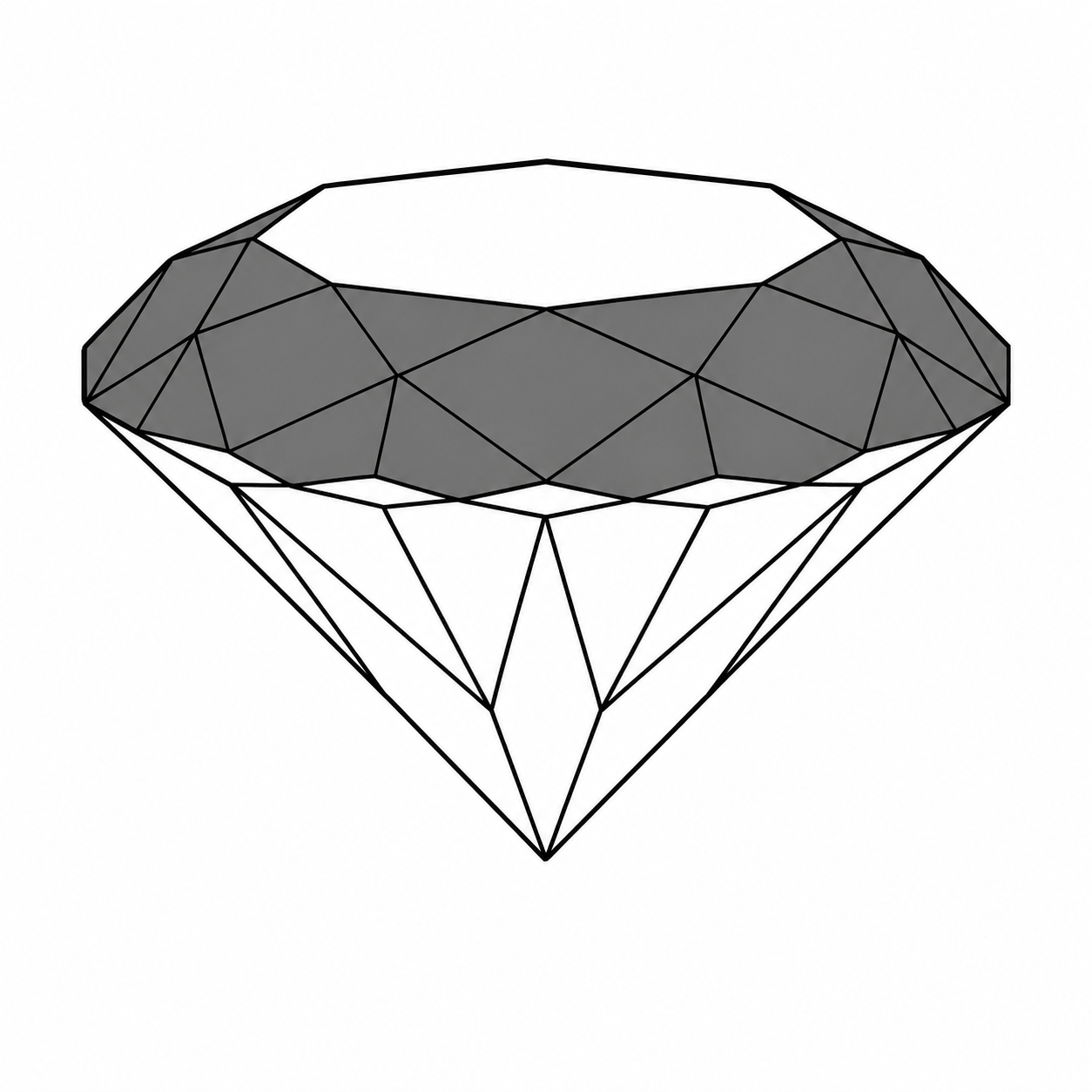
The Crown is the top portion of the diamond between the Table and the Girdle. It contains several types of facets — bezels, stars, and upper girdle facets — that gather and disperse light to create brightness, fire, and a scintillating pattern of light and dark. Like the Table, it's one of the most visible surfaces.
The Girdle
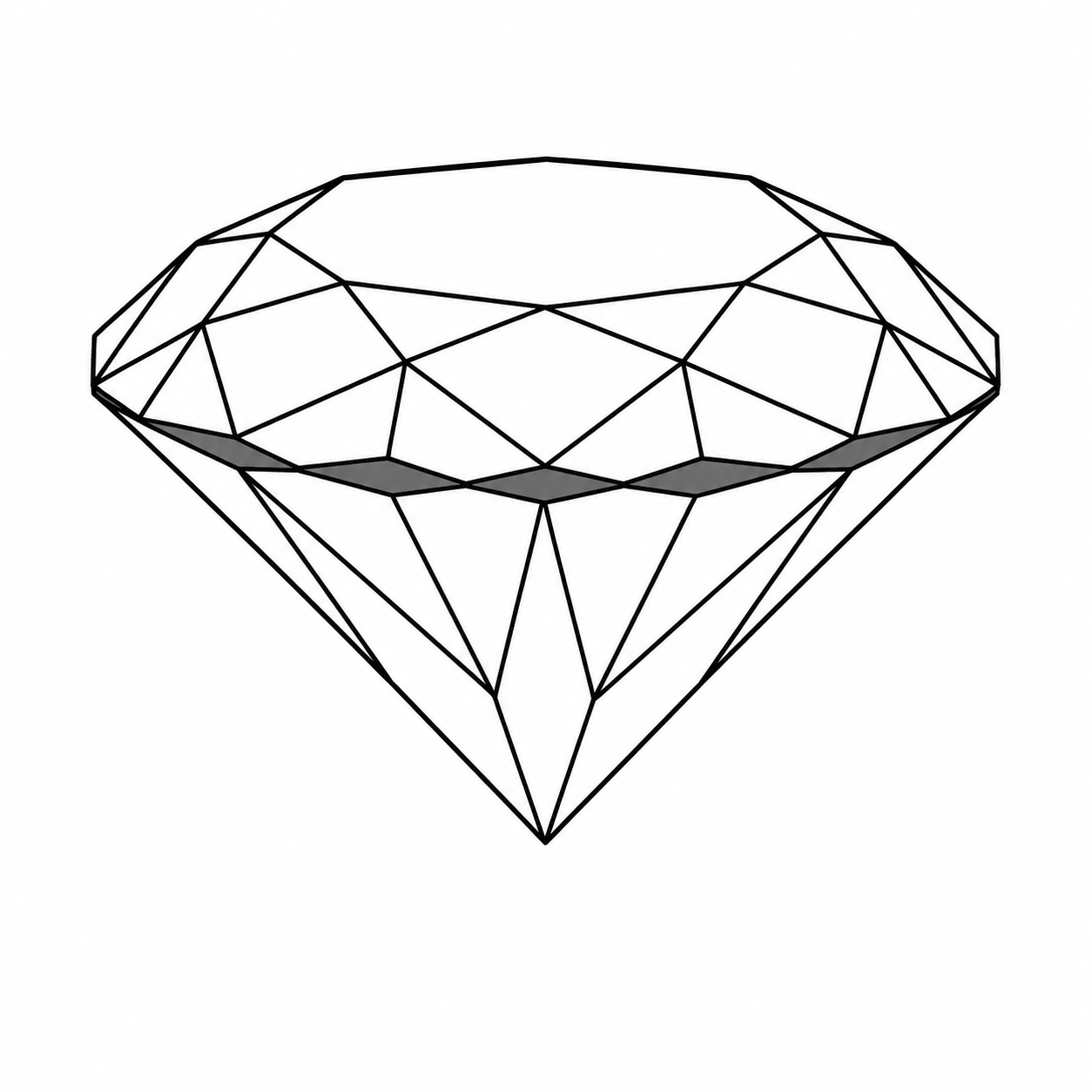
The Girdle is the narrow rim around the widest edge of the diamond. It can be rough, polished, or faceted, and it's where the Crown and Pavilion meet.
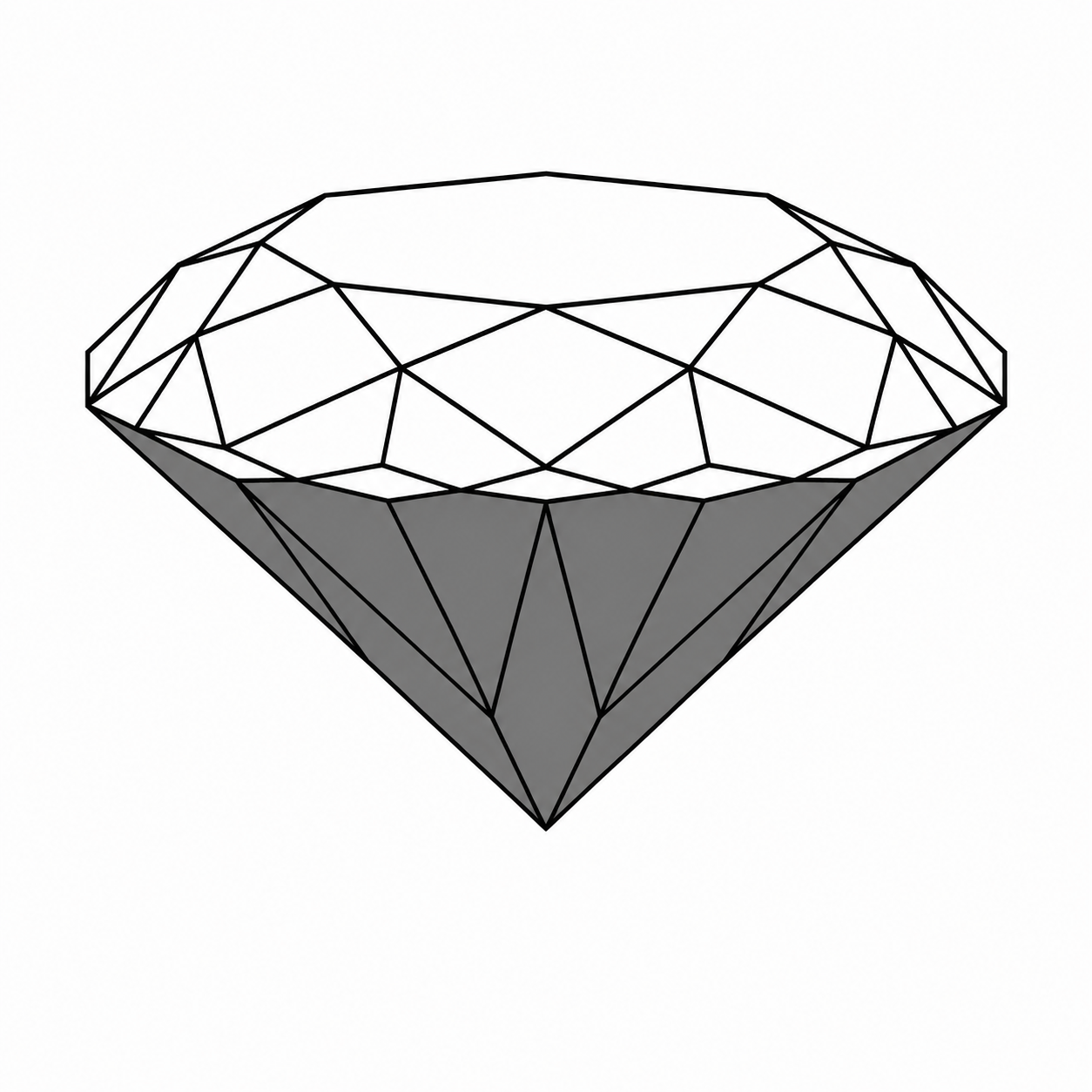
The Pavilion
The Pavilion is located at the bottom of the diamond and determines light reflection. A quality cut allows for maximum light return — the more light that can pass through and reflect within the diamond, the more brilliance it will have.
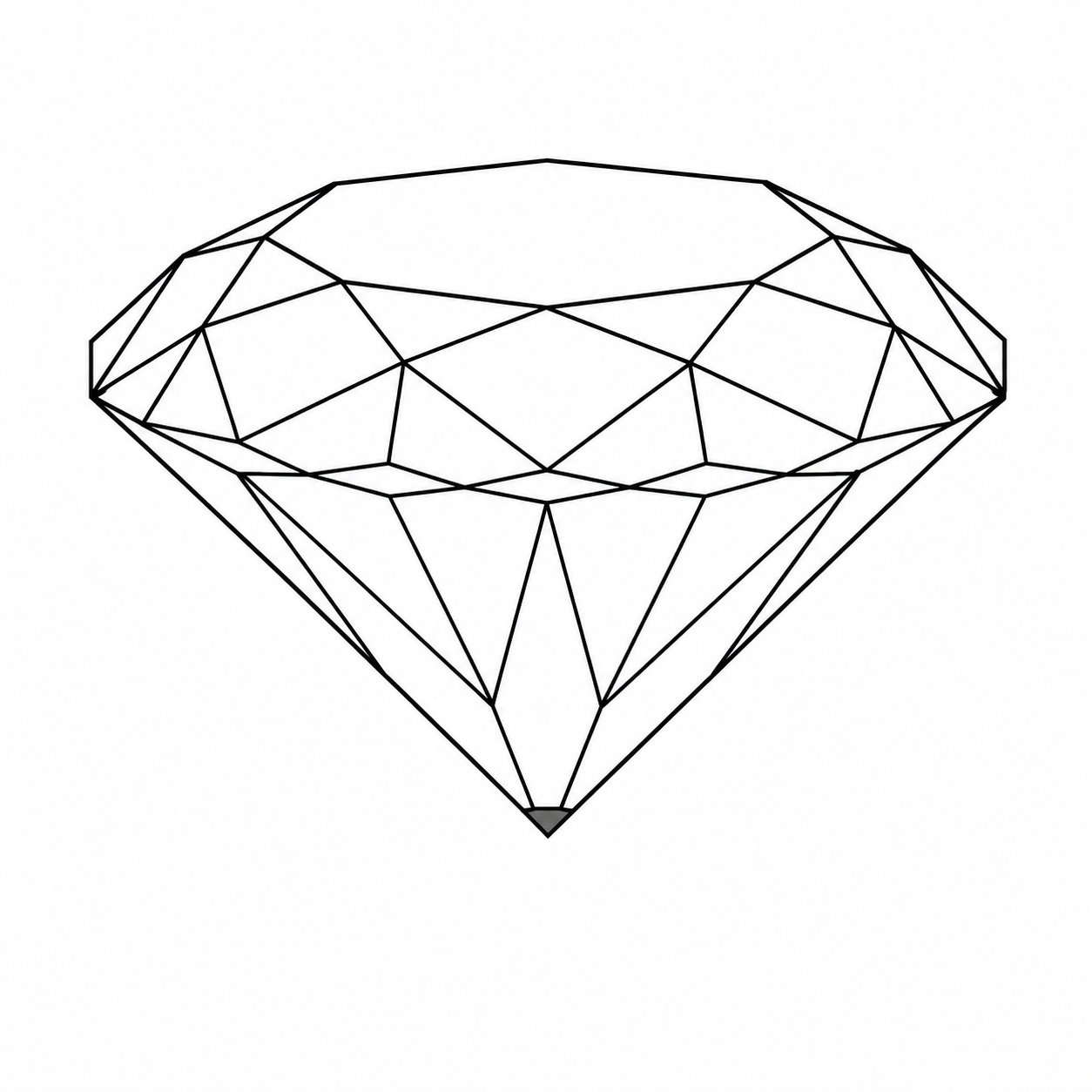
The Culet
The Culet is a facet located at the apex, at the very bottom of the diamond's Pavilion, intended to prevent chipping and abrasion at the point. It needs to be small enough to allow for proper light refraction — its size can affect the face-up appearance, as it's commonly visible through the Table.